
Linear Ochos. This type of Ocho serves two purposes. One, we use it as a teaching tool for both Lead and Follow to study, and continue to study (refinements) of the Disassociation and Applied Disassociation technique and applications. Two, we use it as an exercise to practice on a day
Milonga Ochos are just what they sound like, Ochos that happen in Milonga. ‘Sounds like’ and ‘are’, are two very different things. First of all, the Milonga Ocho is very small. Tiny actually. Sometimes this variety of Ocho is called a ‘Baby’ Ocho because of there size. However, rightfully we
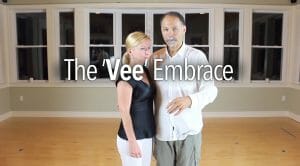
The Vee Embrace. This way of dancing, and embracing ones partner has been around for a long, long while at this point. There are two primary variations of the embrace format, 1.) an Open Vee. 2.) a Closed Vee. Put simply the Vee Embrace is where the partnership is anywhere
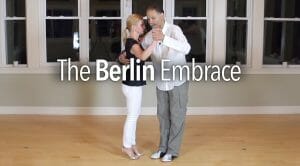
Berlin Embrace. This is a Tango Topics construct, and an observation, of what sometimes (operative word in the sentence) has been observed happening while dancing in Berlin, infrequently. This is not a taught style of dance. There are no classes, or workshops, or anyone that Tango Topics knows of that
The Lead’s Giro. “Giro” (Pron: Heer-Oh, not jy-roh, or guy-roh) comes from the root Spanish -ar verb, “Girar“, which when translated to English, means “to turn“. ‘Giro‘ is the first person singular of that verb, which means “I turn“. The Giro, is a component of the Molinete structure. Typically this
Vocabulary. This word refers to codified, identifiable, demonstratable, teachable, and often used Tango steps or patterns. Such as ? A Volcada, or Colgada, or Sacada, or Parada, Salida, Boleo, Mordita, and the like, just to name a few. These are Tango steps that are referred to as Tango Vocabulary or Vocabulary.
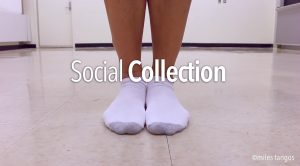
“Collection”, this is an odd word in the Tango world. It has come to mean that we, as dancers, want to bring our feet ‘together’ in some fashion. Some people refer to this idea or concept as “closing” your feet. Meaning to close the gap that naturally exists between them